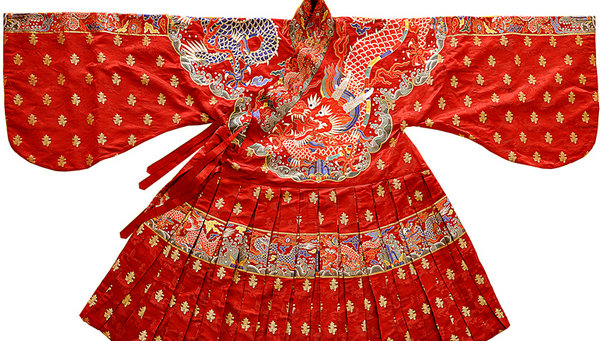
Chinese Brocade
Introduction
Chinese brocade, known for its luxurious texture and intricate designs, is a significant component of China's rich textile heritage. Historically regarded as a high-end silk fabric embellished with gold and silver threads, brocade has been a symbol of opulence and cultural sophistication in Chinese history. This esteemed fabric has evolved over centuries, with various regional styles emerging and contributing to its renowned status. The brocade's exquisite craftsmanship and aesthetic appeal have made it a treasured art form, showcasing the intricate weaving techniques developed over millennia.
Historical Background
The history of brocade in China dates back more than 4,000 years, with evidence of its use found in archaeological sites. Brocade, as part of the silk family, is one of the fourteen classifications of silk textiles in the Chinese language. The art of brocade weaving reached its zenith during the Yuan (1271-1368), Ming (1368-1644), and Qing (1644-1911) dynasties, when it was primarily used by the imperial family. The techniques for creating brocade evolved significantly during these periods, with advancements in gold and silver thread weaving.
In 417, the establishment of a governmental institution in Nanjing marked the formal beginning of Yunjin brocade production, which later became renowned for its gorgeous, cloudlike colors. Brocade's association with luxury and exclusivity is highlighted by its use in imperial garments, ceremonial robes, and various cultural relics. The brocade textile's historical significance is further emphasized by its inclusion in both national and UNESCO intangible cultural heritage lists.
Regional Varieties of Chinese Brocade
Yunjin Brocade
Yunjin brocade, originating from Nanjing in Jiangsu province, is celebrated for its iridescent sheen and intricate weaving techniques. The term "Yun" refers to clouds, while "jin" means brocade, reflecting the fabric's complex patterns and luxurious appearance. This brocade incorporates precious materials such as mulberry silk, gold, and silver threads, making it highly valued. The traditional weaving process requires meticulous attention to detail, with skilled artisans producing only a few centimeters of fabric each day. Despite the advent of modern machinery, the complexity and craftsmanship of Yunjin brocade remain unmatched.
Songjin Brocade
Songjin brocade hails from Suzhou, Jiangsu province, and is another prominent variety of Chinese brocade. It gained prominence during the Northern Song Dynasty (960-1127) and is known for its delicate patterns and vivid colors. The creation of Songjin brocade involves a combination of cross-stitching and plain knitting techniques, which were traditionally used to produce garments for the imperial court. Today, Songjin brocade continues to be a testament to the rich cultural heritage and artistic innovation of its region.
Shujin Brocade
Shujin brocade, originating from Chengdu in Sichuan province, is distinguished by its unique patterns and vibrant colors. This brocade style dates back to the Tang Dynasty (AD 618-907) and has been integral to Sichuan's cultural identity. Shujin brocade is known for its intricate designs that often depict natural and mythological themes. The fabric's creation involves a complex weaving process that requires considerable skill and precision.
Zhuangjin Brocade
Zhuangjin brocade, produced by the Zhuang ethnic group in Guangxi Zhuang autonomous region, is renowned for its colorful patterns and cultural symbolism. This brocade style reflects the Zhuang people's rich cultural heritage and is commonly used in traditional clothing and household items. The vibrant designs and intricate weaving techniques make Zhuangjin brocade a significant cultural artifact.
Cultural Significance and Artistry
Brocade is more than just a textile; it represents the cultural and artistic achievements of Chinese civilization. Each variety of brocade is a testament to the region's history, traditions, and social values. The incorporation of auspicious symbols and motifs in brocade patterns reflects the cultural beliefs and aspirations of the Chinese people. Brocade has been used to convey stories, celebrate festivals, and honor deities, making it an integral part of Chinese cultural expression.
The making of brocade involves a deep understanding of weaving techniques, color theory, and material properties. Artisans dedicate years to mastering these skills, passing down their knowledge through generations. The textile's ability to capture the essence of Chinese art and craftsmanship has ensured its continued relevance and admiration worldwide.
Preservation and Modern Revitalization
Efforts to preserve and revitalize Chinese brocade have gained momentum in recent years. Museums, cultural institutions, and artisans are working together to ensure the survival of this intangible cultural heritage. Exhibitions showcasing the history and artistry of brocade, such as those at the Nanjing Yunjin Museum and Chengdu Museum, play a crucial role in educating the public and raising awareness.
Modern designers and craftsmen are exploring innovative ways to incorporate brocade into contemporary fashion and art. By blending traditional techniques with modern aesthetics, brocade is finding new applications in clothing, accessories, and home decor. These efforts not only preserve the legacy of brocade but also introduce it to new audiences, ensuring its place in the global cultural landscape.
In conclusion, Chinese brocade is a remarkable testament to the country's rich textile heritage and artistic ingenuity. Its intricate designs, luxurious materials, and cultural significance continue to captivate audiences worldwide. Through ongoing preservation efforts and creative revitalization, Chinese brocade will remain a cherished cultural treasure for generations to come.








